In Person
Twelve months training and working on the Easthampton campus alongside 9 peers who share your service experience.
View Curriculum
Online
Monthly live virtual sessions and practice on your own ground, with quarterly Farm Field Days on the Easthampton campus. For learners who can't relocate, including active duty service members.
View Curriculum
The full curriculum, on a working farm
Conservation Planning
The 9-step planning process USDA conservation planners use. Participants learn to assess a property and build a conservation plan for working land.
Soil Health & Whole-Farm Systems
Regenerative practice grounded in soil health and grazing, and how the parts of a whole farm work together.
Soil Sampling in the Field
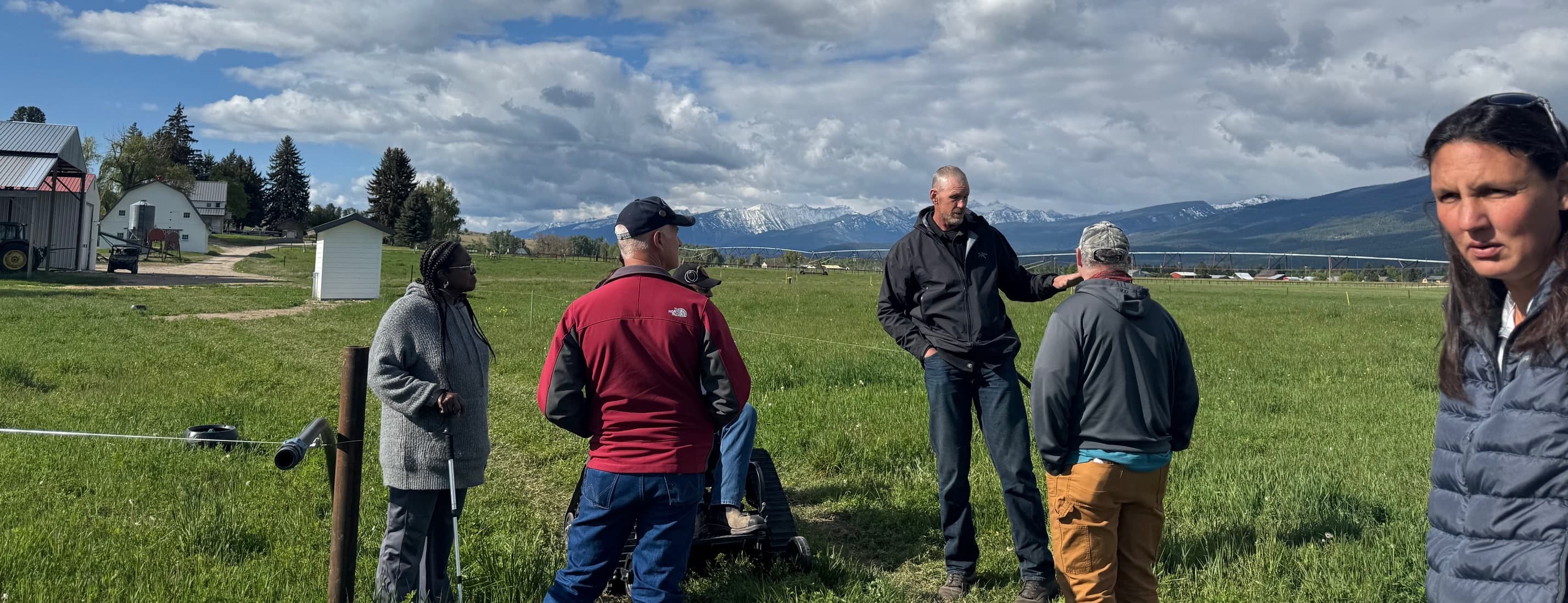
Hands-on soil sample collection on the campus's 56 acres, leading to field certification.
Wellness & Resilience
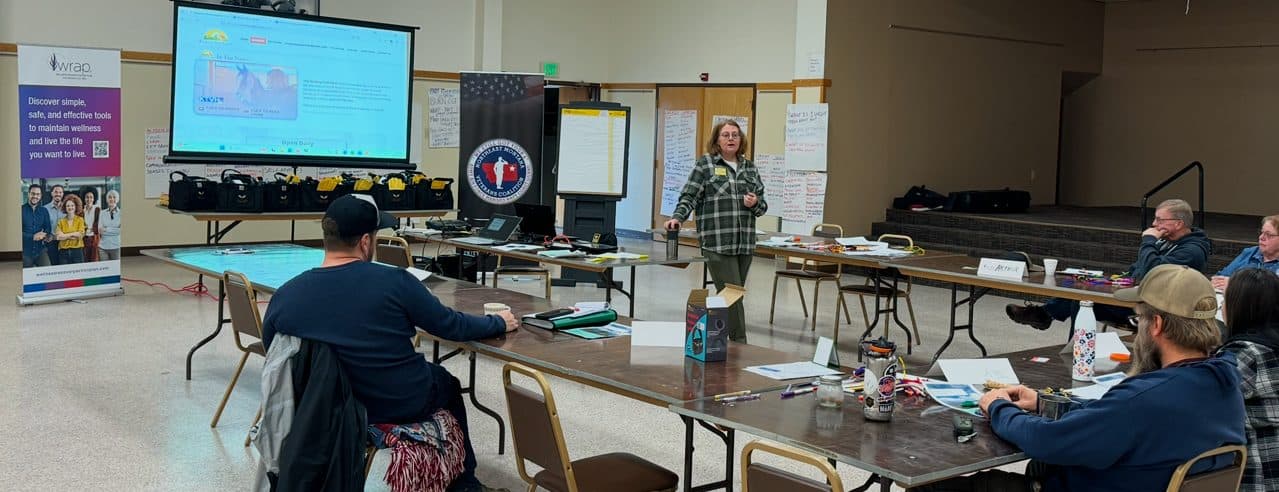
Wellness Recovery Action Plan (WRAP) training, leading to certification, alongside peer support built into the class.
Live where you learn
- 1A full instructional day. Instruction runs 9:00 to 3:00, split between the field and the classroom.
- 2Housing near campus. Participants live close to the farm for the full twelve months. See Student Housing →
- 3A peer class. Ten participants move through the year together.
- 4VA benefits guidance. An accredited claims representative helps participants understand and use their benefits.
- 5Free tuition in 2027. USDA's AgVets program covers tuition for the 2027 year. Participants pay nothing to attend.
Credentials, a plan, and a path to work
Employable Credentials
Earned during the year:
- Equipment Stewardship: preventative maintenance, service procedures, hydraulics, electrical
- Land Essentials and Land Stewardship certificates
- NCAT (National Center for Appropriate Technology): managed grazing, whole-farm planning, ecological pest management
- Soil Sample Collector (SSC), CEMA 216
- Pathway to Certified Crop Adviser (CCA) and USDA Technical Service Provider (TSP)
- Veteran Service Officer
- WRAP Facilitator (Level 2)
- Mental Health First Aid (MHFA)
- Produce Safety Alliance Grower Training (FSMA)
- CPR / First Aid / AED
Conservation Planning Skills
Experience building conservation plans with the same framework USDA conservation planners use.
- Register a farm with the FSA
- Build and submit an NRCS Conservation Plan
- Rotational grazing
- Cover crops
- Drainage and wetlands planning
- Forestry management
- No-till agriculture
- Pest management
A Path to Work
Preparation for jobs in conservation agriculture, or for running a farm of your own.
- Credentialed Farm Manager
- Credentialed Farm Leader (coming in 2028)
- NRCS Technical Service Provider (TSP), Certified Crop Adviser (CCA), or Soil Sample Collector
- Farm equipment service technician
- Veteran Service Officer
- WRAP facilitator
The core curriculum, applied to your own ground
Soil Health Foundations
The six soil-health principles and field assessment methods, practiced on your own ground through at-home assignments that instructors review.
Soil Sampling at Field Days
Supervised, hands-on soil-health sampling under the USDA-NRCS CEMA 216 protocol at Farm Field Days on campus.
Conservation Planning
The 9-step planning process USDA conservation planners use, applied to your own operation. Each participant drafts a conservation plan.
Host Farm Project
A season-long project at one of three host farms in New England, helping the host farm move to regenerative practice.
Wellness & Resilience
Wellness Recovery Action Plan (WRAP) training, with peer support between Field Days.
Built around a service schedule
- 1Monthly live sessions. Live virtual classes each month, with at-home assignments on your own ground in between.
- 2Quarterly Farm Field Days. Single-day sessions on the Easthampton campus for soil sampling, WRAP training, and an FSA loan-readiness workshop.
- 3A host farm project. A season of hands-on work at a host farm in New England.
- 4Open to active duty. Currently serving members can build farming skills now and be ready when their time comes.
- 5Free tuition in 2027. USDA's AgVets program covers tuition for the 2027 year. Participants pay nothing to attend.
Field skills, a plan, and a next step
Credentials
Earned during the year:
- HAA Certificate of Completion (Online)
- WRAP Level 1
- Field training in CEMA 216 soil-health sampling under a supervising Certified Crop Adviser
- Option to pursue independent Soil Sample Collector (SSC) certification
Conservation Planning Skills
Practice with the framework USDA conservation planners use, on land you know.
- Soil-health assessment on your own ground
- Composite soil sampling and data logging
- A draft conservation plan for your own operation
- FSA loan readiness and VBOC business counseling
A Next Step
Where the Online year can lead:
- Apply for a future In Person class
- Soil sampling work under a supervising Certified Crop Adviser
- Financing for a farm of your own, starting with FSA
- Connections with New England host farms
In Person or Online
| 01 · In Person | 02 · Online | |
|---|---|---|
| Where | Easthampton campus, daily | From home, plus campus Field Days and a host farm |
| Schedule | 9:00 to 3:00, Monday through Friday | Monthly live sessions, quarterly Field Days |
| Class size | 10 | 30 |
| Instruction | 29 courses, 1,350 hours | 7 courses, 116 hours |
| Housing | Near campus | Not needed |
| Tuition in 2027 | Free | Free |
| First class | June 2027 | June 2027 |
The first classes are filling now
Ask for more info and we'll follow up about the June 2027 start for either program.